
How Do You Remove Soap Scum From Shower Doors Safely?
Quick Answer
How do you remove soap scum from shower doors?
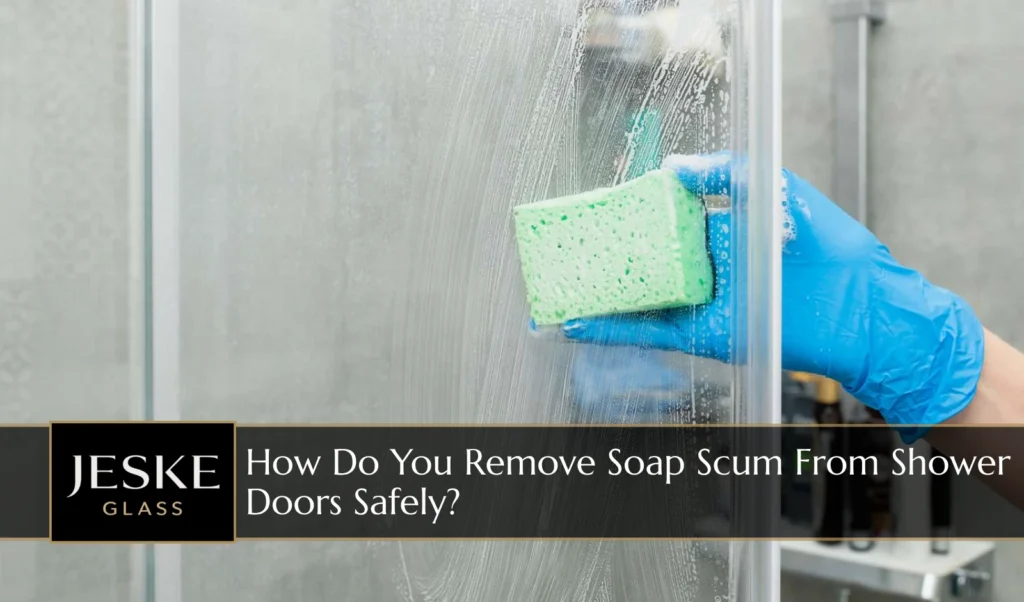
Use a gentle cleaner that can loosen the buildup without damaging the glass. Apply it, allow time for it to work, then wipe and rinse the surface thoroughly.
Key Takeaways
- Clean buildup before it becomes heavy
- Use nonabrasive tools on shower glass
- Give the cleaner time to loosen residue
- Rinse and dry the surface after cleaning
- Regular care can make future cleaning easier
Why Does Soap Scum Build Up on Shower Doors?
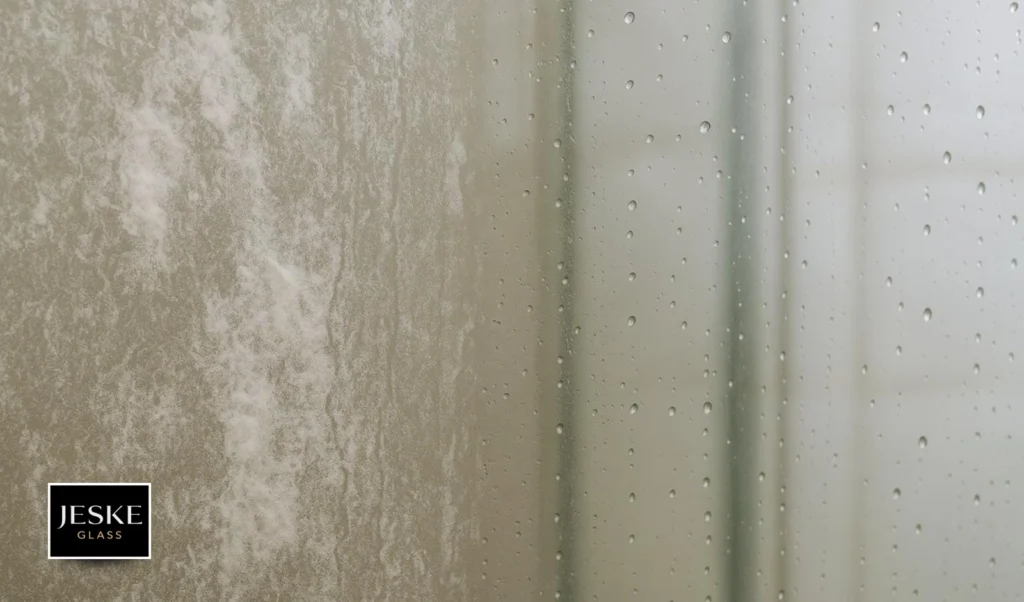
Soap scum forms when soap residue mixes with minerals in your water. Over time, this mixture sticks to the shower surface and creates a cloudy or chalky film.
The buildup may become more noticeable when soap scum and hard water deposits develop together. If left on the surface, they can make clear glass doors look dull and harder to keep clean.
How to Remove Soap Scum From Glass Shower Doors
When learning how to remove soap scum from glass shower doors, start with a gentle approach. A simple mixture of white vinegar and water can help loosen residue on many glass surfaces.
For routine cleaning:
- Add equal parts vinegar and water to a spray bottle.
- Apply the mixture across the affected area.
- Give the solution time to loosen the buildup.
- Wipe the surface with a soft microfiber cloth.
- Rinse thoroughly with clean water.
- Dry the surface to reduce spotting.
Avoid rough scrubbers that could scratch or damage the finish.
Can Dish Soap Help With Heavier Buildup?
A small amount of dish soap can be useful when the shower has greasy residue from soaps and personal care products. It can be combined with a gentle cleaning mixture to help break down buildup.
When removing soap scum, avoid using too much product. Heavy layers of cleaner can leave their own film behind and require additional rinsing.
What About Stubborn Soap Scum?
Some buildup may not come away during the first cleaning. In these cases, it can help to apply your chosen cleaner to the shower doors and let it sit briefly before wiping.
For stubborn areas, baking soda is sometimes used as part of household glass cleaning. However, abrasive powders and aggressive scrubbing should be avoided because they may affect certain glass surfaces, coatings, or nearby hardware.
How Do Hard Water Stains Affect Shower Glass?
Hard water contains minerals that can remain on the glass after water droplets evaporate. Over time, these deposits can create cloudy spots that may look similar to soap residue.
Removing water stains from glass can require a different approach than cleaning fresh soap buildup. Some products marketed for shower glass also claim to remove hard water deposits, but always check that the product is appropriate for your specific glass and hardware before using it.
Which Cleaning Products Should You Use?
There are many cleaning solutions available for bathroom glass, from simple homemade mixtures to commercial products. The right choice depends on the amount of buildup and the materials around your shower.
Before using household cleaners, check the product instructions and avoid mixing different chemicals. Also consider nearby metal finishes, seals, stone, and other surfaces that could react differently to a cleaner than the glass itself.
How Can You Keep Shower Doors Looking Clear?
Regular care is easier than waiting for a thick layer of residue to form. After showering, removing excess water from the surface can reduce the amount of moisture and minerals left behind.
For a glass shower door, simple habits such as routine wiping and occasional gentle cleaning can help maintain a clearer appearance and reduce heavy buildup over time.
Final Thoughts
Soap residue, minerals, and everyday bathroom products can gradually leave shower glass looking cloudy. Cleaning the surface regularly with suitable products can help prevent buildup from becoming harder to manage.
If the glass remains cloudy, damaged, or difficult to restore after cleaning, the issue may require more than routine maintenance. A glass professional can help you determine whether the enclosure needs further attention.
Give Your Shower Glass a Clearer, Cleaner Look
If your shower enclosure is aging, damaged, or ready for an upgrade, Jeske Glass can help with custom shower glass, repair, replacement, and new installations. Call us at (801) 722-4046 to discuss your shower glass project and request an estimate.
Frequently Asked Questions
Can soap scum permanently damage shower glass?
Heavy buildup left on the surface for a long time may contribute to staining or etching. The condition of the glass will determine whether normal cleaning can restore its appearance.
Can I use a razor blade to scrape buildup from shower glass?
It is safer to avoid sharp tools unless they are specifically recommended for your type of glass. Improper scraping can scratch the surface or damage protective coatings.
Why does my shower glass still look cloudy after cleaning?
Cloudiness may come from mineral deposits, surface damage, or etching rather than ordinary soap residue. If normal cleaning does not improve it, the glass may need professional evaluation.
How often should shower doors be cleaned?
Cleaning frequency depends on how often the shower is used and the water quality in your home. Regular light cleaning can help prevent thick buildup.
Are all shower glass cleaners safe for metal hardware?
No. Some products can affect certain finishes or materials. Check the cleaner's instructions and the care recommendations for your shower hardware before use.
Does a water-repellent coating make shower glass easier to maintain?
Yes, in many cases. A suitable protective coating can help reduce how easily water and residue remain on the surface, although regular cleaning is still needed.
When should shower glass be replaced instead of cleaned?
Replacement may be worth considering if the glass is damaged, deeply etched, or part of an enclosure that no longer functions properly. A glass professional can assess its condition and recommend the appropriate option.