


Quick Answer
How to clean a bathroom mirror?
Use a gentle cleaner and a clean microfiber cloth to remove spots, fingerprints, and residue. Wipe the surface thoroughly, then dry it to help prevent streaks.
Key Takeaways
- Remove visible spots before cleaning the full mirror
- Use a clean, nonabrasive cloth
- Avoid soaking the edges of the mirror
- Dry the surface after cleaning
- Regular care helps prevent heavy buildup
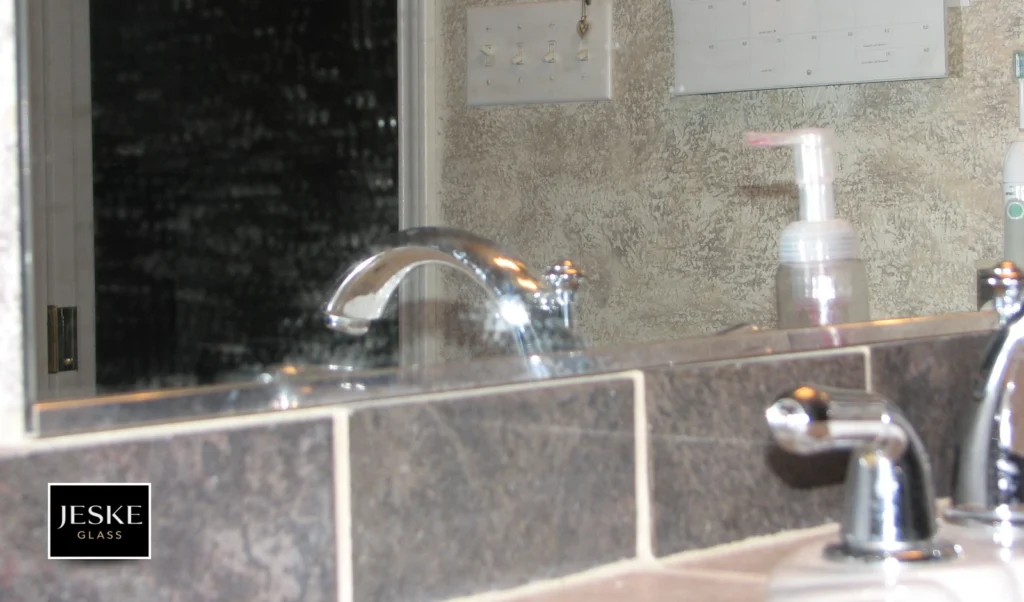
Why Do Bathroom Mirrors Get Dirty So Quickly?
A bathroom mirror is exposed to more than fingerprints. Toothpaste, hairspray, cosmetics, water droplets, and steam can all leave marks on the surface.
Over time, these spots can create a cloudy appearance. Regular cleaning of mirrors helps prevent residue from building up and makes routine care much easier.
How to Clean the Bathroom Mirror
If you’re wondering how to clean the bathroom mirror, you do not need a complicated routine. Start by removing loose dust and treating visible spots before wiping the entire surface.
For routine cleaning:
- Add your chosen cleaner to a spray bottle
- Apply a small amount without soaking the mirror
- Wipe the mirror with a clean, soft cloth
- Work across the entire surface instead of repeatedly rubbing one area
- Finish with a dry microfiber cloth to remove remaining moisture
Using clean microfiber cloths is important because a dirty or damp cloth can spread residue and create new streaks.
What Can You Use to Clean a Bathroom Mirror?
There are several cleaning solutions that may work, depending on the type of buildup. A commercial glass cleaner is a convenient option for everyday spots and fingerprints.
Common household options may also include:
- Warm water for light marks
- Diluted white vinegar for certain mineral residue
- A small amount of dish soap for greasy buildup
- Rubbing alcohol for stubborn fingerprints or cosmetic residue
Always use products carefully and avoid allowing excess liquid to collect around the edges or backing of the mirror.
How Do You Clean Bathroom Mirrors Without Streaks?
The cloth you use and the amount of cleaner applied can make a big difference. Too much liquid may spread residue across the surface instead of removing it.
For a streak-free shine, use only enough cleaner to treat the surface and finish with a clean, dry cloth. Switching to a fresh cloth when the first becomes damp can also help leave mirrors sparkling.

What Is the Best Way to Clean Bathroom Mirrors Regularly?
Small marks are easier to manage before they turn into heavy buildup. Quickly wiping away toothpaste, water spots, and fingerprints can reduce the need for deeper cleaning later.
When cleaning your mirror, gentle and consistent care is usually better than aggressive scrubbing or using abrasive materials.
Final Thoughts
Knowing how to clean a mirror in bathroom spaces comes down to using suitable products, a clean cloth, and a light touch. Regular cleaning can help maintain a clear surface without leaving behind heavy residue or streaks.
If a mirror remains cloudy, damaged, or worn despite cleaning, the issue may be with the mirror itself rather than surface buildup.
Give Your Bathroom a Fresh Look With Custom Mirrors
Ready to replace an aging mirror or create one designed for your space? Jeske Glass provides custom mirror solutions for bathrooms and other interiors. Call us at (801) 722-4046 to request an estimate.
Frequently Asked Questions
Why does my bathroom mirror look cloudy even after cleaning?
Cloudiness may come from residue, mineral deposits, age, or deterioration of the mirror backing. If normal cleaning does not improve it, the mirror may need professional evaluation.
Can paper towels scratch a bathroom mirror?
They may not always scratch the glass, but some paper products can leave lint or make streaking more noticeable. A clean, nonabrasive cloth is generally a better option.
Can I use newspaper to clean a mirror?
It is generally better to use a clean, lint-free cloth. Newspaper ink and paper quality vary, so it may leave residue behind.
Why are the edges of my bathroom mirror turning black?
Dark or black edges can develop when moisture affects the reflective backing of the mirror. This is different from ordinary surface dirt and usually cannot be removed through cleaning.
Can bathroom steam damage a mirror?
Repeated moisture exposure can contribute to deterioration, particularly around vulnerable edges or backing. Good bathroom ventilation can help manage excess humidity.
When should I replace a bathroom mirror?
Consider replacement when the mirror has permanent dark edges, damaged backing, cracks, chips, or cloudiness that normal cleaning cannot correct.