


Quick Answer
What can help remove hard water stains from glass?
Mild acidic cleaners, such as diluted white vinegar, can help loosen mineral deposits on many glass surfaces. Use nonabrasive materials, avoid harsh scrubbing, and check the care instructions for your specific glass and surrounding hardware before using any cleaning product.
Key Takeaways
- Hard water stains come from minerals left behind as water dries.
- Gentle methods can help lift deposits without scratching the glass.
- Avoid abrasive pads and harsh cleaning products.
- Drying wet glass can reduce future mineral buildup.
- Regular maintenance can make stains easier to manage.
- Check product instructions before treating specialty or coated glass.
Why Does Hard Water Leave Stains on Glass?
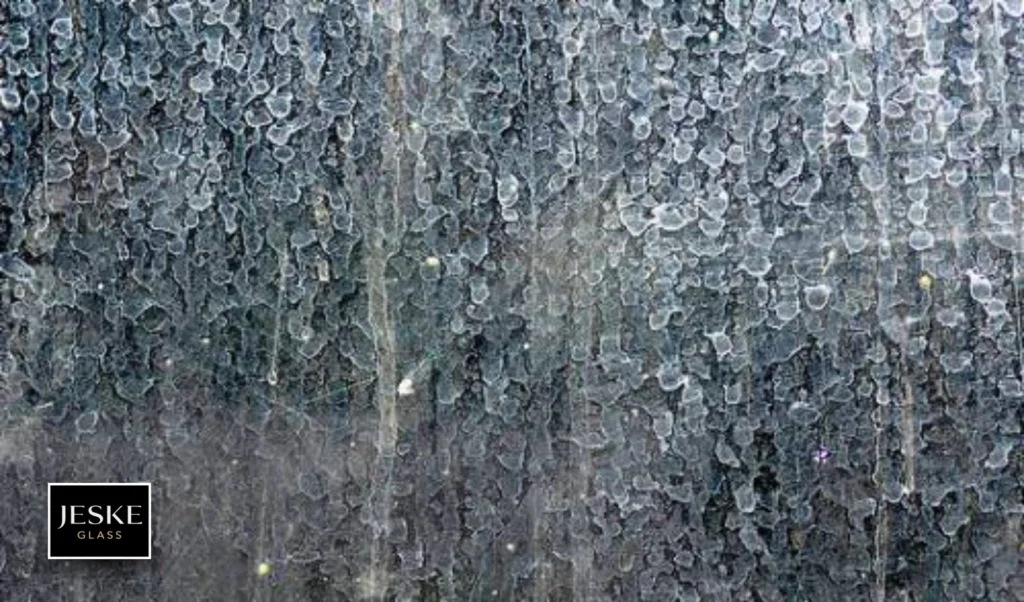
Hard water contains dissolved minerals, including calcium and magnesium. When water droplets remain on glass and evaporate, some of these minerals stay behind. Over time, the deposits can create cloudy spots, streaks, or a chalky film.
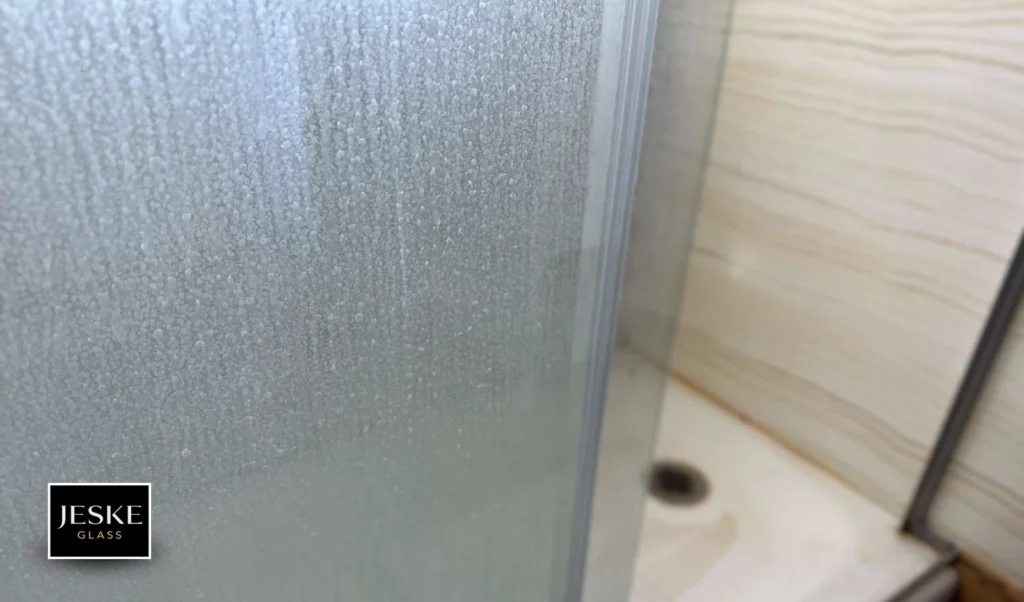
These marks are especially common on bathroom surfaces that are exposed to water every day. A glass shower door, for example, can develop visible spotting when droplets repeatedly dry on the surface. Older deposits may become more noticeable and harder to address than newer ones.
How to Remove Hard Water Stains From Glass
If you are wondering how to get hard water stains off glass, start with a gentle cleaning method rather than aggressive scrubbing. A diluted vinegar solution is commonly used on suitable glass because its acidity can help loosen mineral buildup.
One common approach involves mixing equal parts vinegar and water. Some people place the vinegar and water in a spray bottle for easier application. After applying the solution, allowing it to sit for a few minutes may help loosen the deposits before the surface is gently wiped with a soft cloth. Always consider the manufacturer’s care instructions before applying acidic cleaners, especially near specialty finishes, stone, seals, or metal hardware.
What Can Help With More Noticeable Mineral Buildup?
Older marks may not disappear with light cleaning alone. Instead of immediately reaching for abrasive tools, it is usually better to use gentle methods and give the cleaner time to work.
Depending on the glass and surrounding materials, options may include:
- Using a microfiber cloth to gently lift loosened deposits
- Applying fresh lemon juice to suitable glass surfaces
- Mixing baking soda with a small amount of water for certain types of buildup
- Repeating a gentle treatment instead of scrubbing aggressively
Always check whether a cleaning method is suitable for your specific glass, coatings, hardware, and nearby surfaces. Avoid combining household cleaning products unless reliable instructions specifically state that it is safe.
Why Are Some Hard Water Stains Difficult to Remove?
Mineral spots become more difficult to address when water repeatedly dries in the same areas. Layers of deposits can build over time, making ordinary wiping less effective. What appears to be a simple water spot may eventually become a stubborn cloudy area.
Effective stain removal does not necessarily mean using a stronger chemical or scrubbing harder. Repeated gentle cleaning may be safer for the glass. If deposits remain despite careful cleaning, professional guidance may be appropriate, particularly for custom, treated, or specialty glass.
How Can You Protect Glass From Future Mineral Buildup?
Prevention starts with reducing the amount of water that remains on the surface. A few simple habits can limit the minerals left behind as water evaporates:
- Remove excess water after the glass gets wet.
- Keep the bathroom well ventilated to encourage faster drying.
- Regularly clean surfaces before mineral deposits become heavy.
- Use appropriate clean water and dry cloths to remove leftover cleaner and moisture.
- Pay attention to areas where water tends to collect.
These habits can make ongoing care easier and reduce the need for more intensive cleaning later.
Can Water Quality Affect Hard Water Stains?
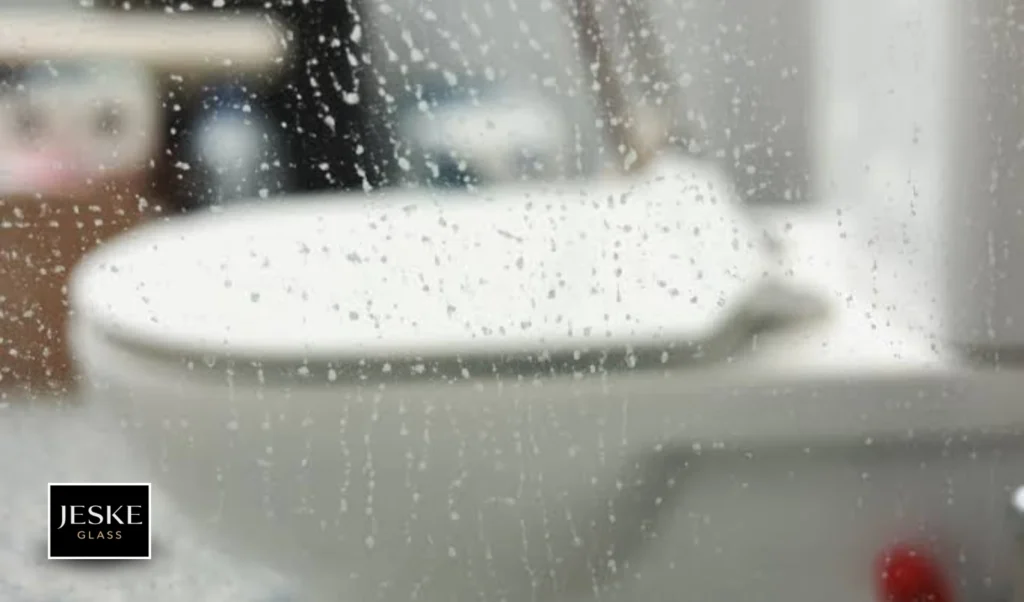
Yes. Homes with mineral-rich water may notice spotting more quickly than homes with softer water. Because the minerals are present in the water itself, stains can return even after the glass has been cleaned.
Some homeowners consider water softeners when hard water affects several areas of the home. These systems address water hardness rather than simply treating the visible deposits on glass. Whether one makes sense depends on the home’s water quality and individual needs
What Should You Avoid When Cleaning Hard Water Stains?
Trying to remove stubborn deposits too aggressively can damage glass or nearby materials. To protect the surface:
- Avoid rough scrubbers and metal cleaning tools.
- Do not use highly abrasive powders without checking surface compatibility.
- Avoid excessive pressure when dealing with stubborn spots.
- Be cautious with acidic products around stone, seals, and metal finishes.
- Do not mix cleaning chemicals without verified safety instructions.
You may see recommendations involving vinegar and baking soda or other household combinations. More ingredients do not necessarily provide better results, and some combinations may be ineffective or unsafe depending on the products involved.
Final Thoughts
Knowing how to remove hard water stains from glass starts with understanding what causes the cloudy marks. Mineral deposits can become more noticeable over time, so gentle care and consistent upkeep are often better than waiting until heavy buildup develops.
Once the surface is treated, wipe clean using an appropriate nonabrasive material and keep the glass as dry as practical between uses. Simple habits can help prevent hard water stains and maintain the clear appearance of your glass for longer.
Keep Your Custom Glass Looking Its Best
Beautiful glass can make a bathroom feel brighter, cleaner, and more open. When your shower glass is damaged, outdated, or ready for an upgrade, Jeske Glass can help you explore custom glass options designed for your space.
Ready to improve your bathroom with custom glass? Call us at (801) 722-4046 to discuss your project and request an estimate.
Frequently Asked Questions
Are hard water stains the same as soap scum?
No. Hard water stains are mainly caused by minerals left behind after water evaporates. Soap scum develops from soap, body products, minerals, and other residue. They can appear together on bathroom glass.
Can hard water stains permanently damage glass?
Long-term mineral buildup may become increasingly difficult to remove and can affect the appearance of the surface. Addressing spots early can help reduce the chance of stubborn deposits developing.
Why do hard water stains look white or cloudy?
The cloudy appearance usually comes from mineral deposits remaining on the surface after water evaporates. Repeated exposure can make the film more noticeable.
Can I use a razor blade on hard water stains?
Using a razor or other sharp tool can create a risk of scratching or damaging the surface, especially when the glass has a coating or treatment. A nonabrasive method is generally a safer starting point.
Does tempered glass need special care when removing water stains?
Tempered glass should still be cleaned with products and tools appropriate for the specific surface. If the glass has a protective coating or treatment, follow the manufacturer's care recommendations.
Why do hard water spots return after I clean the glass?
The spots can return when mineral-rich water continues to dry on the surface. Cleaning removes existing deposits but does not change the mineral content of the water.
Can hard water stains appear on glass railings and other glass surfaces?
Yes. Any glass regularly exposed to mineral-rich water can develop spotting, including outdoor glass and certain railing installations. The amount of buildup depends on water exposure and how often the surface is dried or cleaned.
When should I consider replacing stained shower glass?
Replacement may be worth considering if the glass is permanently damaged, heavily etched, cracked, outdated, or no longer fits your bathroom design. A glass professional can evaluate the existing enclosure and discuss suitable options.